
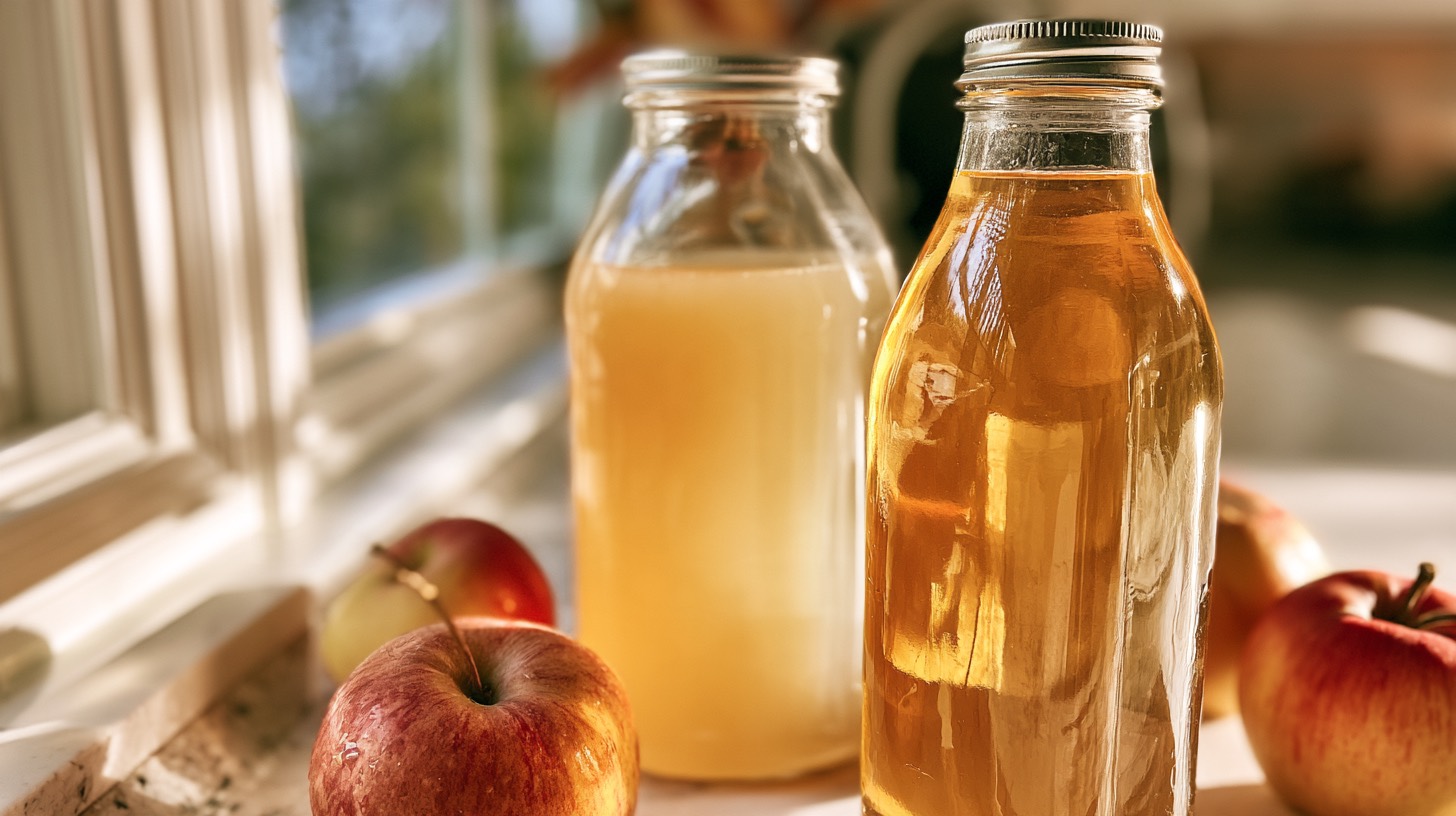
Cloudy juice resembles freshly pressed apples, while clear juice can appear heavily processed. That makes it tempting to assume that cloudy juice will always create richer cider.
In practice, clarity is only one characteristic of the juice—and rarely the most important one.
What to check on the label
A straightforward juice may list apple juice, apple juice from concentrate, water used for reconstitution, and ascorbic acid or vitamin C.
Ascorbic acid is commonly used to slow oxidation and does not normally prevent fermentation at the concentrations found in juice.
We avoid products containing potassium sorbate, sodium benzoate, or a combination of the two. These preservatives are intended to inhibit yeasts and other microorganisms. Starting a batch and hoping that a large yeast addition will overcome them is unnecessarily unreliable.
Pasteurized juice is not the same as preserved juice. Commercial cider yeast can ferment pasteurized apple juice as long as fermentation-inhibiting preservatives are absent.
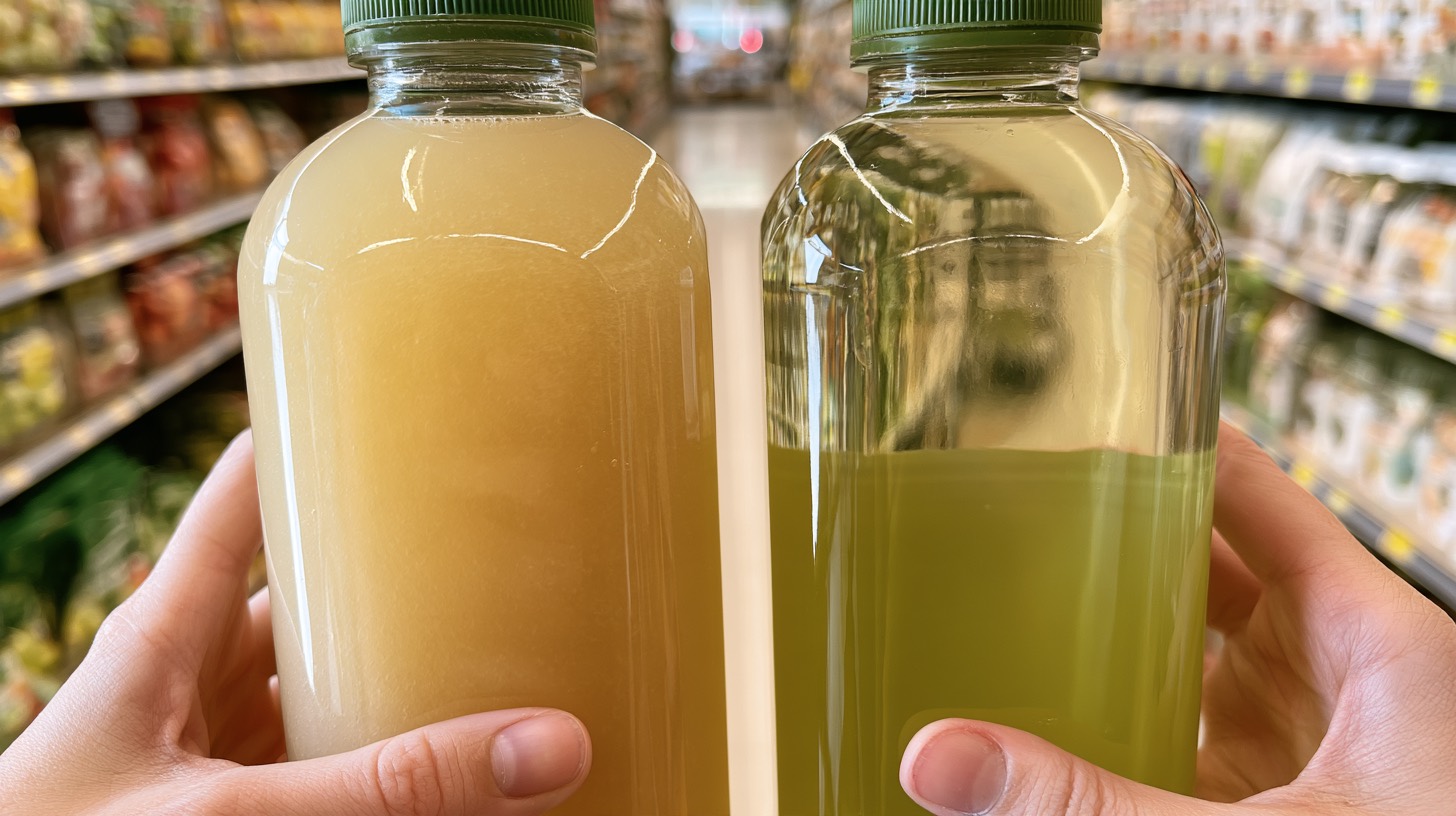
What cloudy juice contains
Cloudy juice holds suspended material from the fruit. Depending on the production method, that can include tiny fragments of pulp, pectin, proteins, and other apple material.
It may provide a fuller texture and a stronger impression of fresh apple, but it also produces more sediment and usually causes greater losses during transfer.
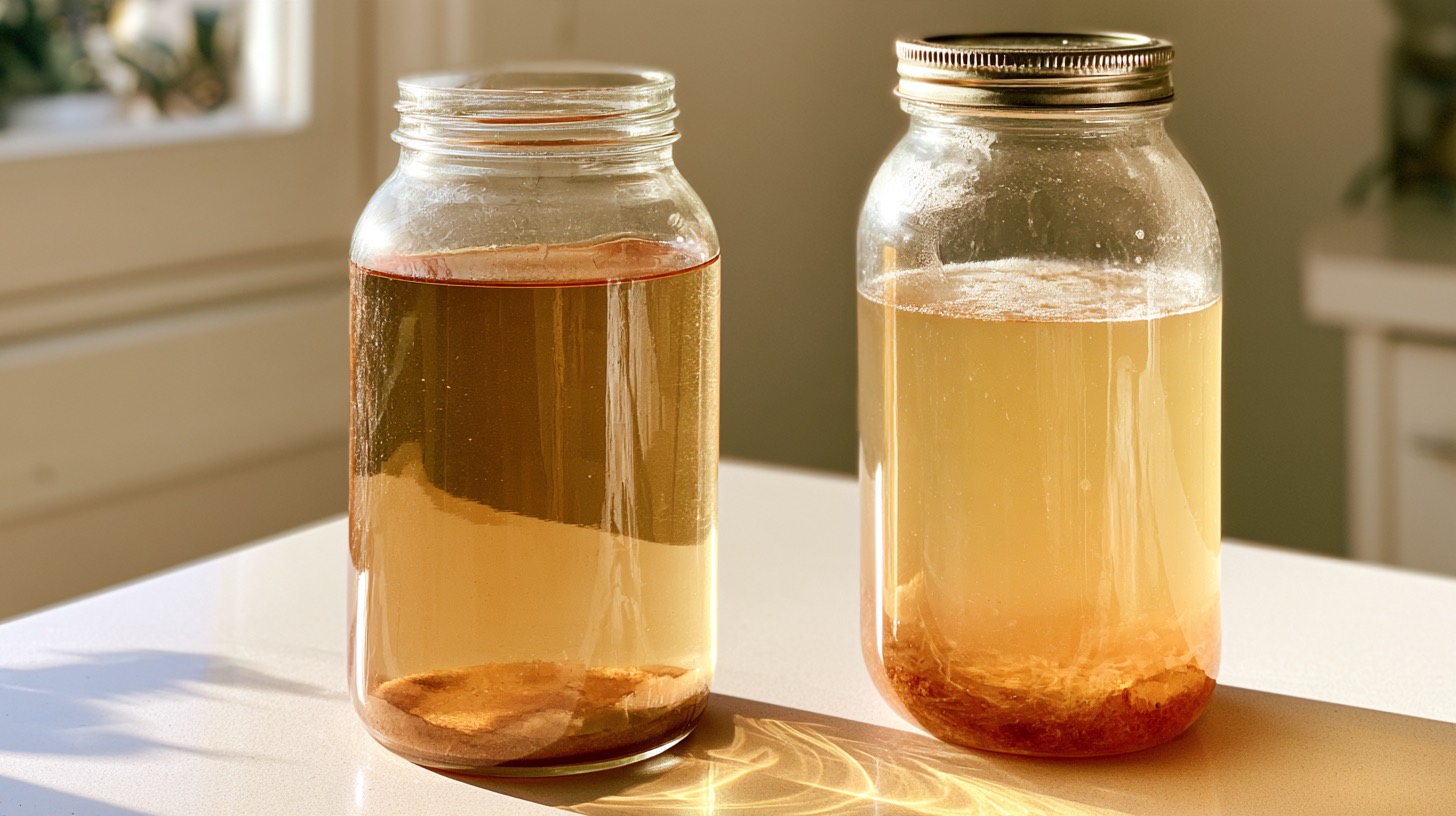
Cloudy juice does not necessarily stay cloudy forever. Much of the material may settle during fermentation and conditioning. Pectin can leave a stable haze, but that is usually an appearance issue rather than proof that fermentation is unfinished.
What changes with clear juice
Clear juice has usually been filtered or otherwise treated to remove suspended material. It often creates a smaller sediment layer, wastes less cider during transfer, and reaches a bright appearance sooner.
The finished cider is not automatically less flavorful. Aroma and structure depend on the apples, acidity, processing, and storage—not simply on whether light passes through the bottle.
Is juice from concentrate suitable?
The words “from concentrate” are not, by themselves, a reason to reject a juice. Concentrate has had some water removed and was later reconstituted. If it contains no inhibitory preservatives, it can ferment reliably.
Processing and storage may reduce delicate apple aromas, so some juices from concentrate taste flatter than fresh-pressed juice. The label alone, however, cannot predict the finished cider.
For a first batch, an affordable preservative-free juice from concentrate is a much better choice than expensive cloudy juice containing potassium sorbate.
Does pulp feed the yeast?
Visible apple material does not prove that the juice contains everything yeast needs. Cloudiness is not a useful measurement of yeast-assimilable nutrients.
For stronger cider or a carefully controlled process, yeast nutrition should be considered separately rather than inferred from the amount of pulp in the bottle.
Which should you choose?
Choose cloudy juice if:
- You prefer a rustic, fresh-pressed character.
- A naturally hazy cider does not bother you.
- You are prepared for more sediment.
- You do not mind losing a little more liquid during transfer.
Choose clear juice if:
- You want easier transfers.
- You prefer a bright finished appearance.
- You want less sediment in a small vessel.
- The juice already has a pleasant apple flavor and enough acidity.
Our order of priorities
- No potassium sorbate or sodium benzoate.
- A pleasant apple flavor before fermentation.
- Enough acidity to keep the juice from tasting flat.
- A practical package size and price.
- Cloudy or clear appearance.
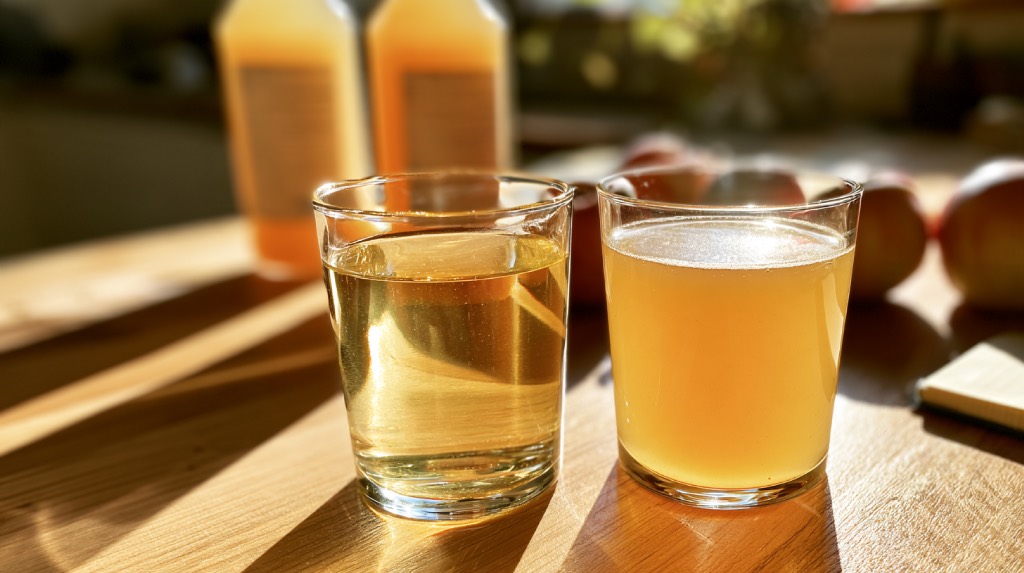
If two juices tasted equally good and contained no inhibitory preservatives, we would choose cloudy juice for a rustic still cider and clear juice when easy handling and a bright appearance mattered more.
The conclusion
Cloudy juice is not automatically superior, and clear juice is not merely a compromise. Pulp mainly changes sediment, texture, handling, and appearance. The apples and complete ingredient list matter more.
When standing at the store shelf, turn the bottle around before looking through it. The back label will usually tell you more than the color of the juice.